


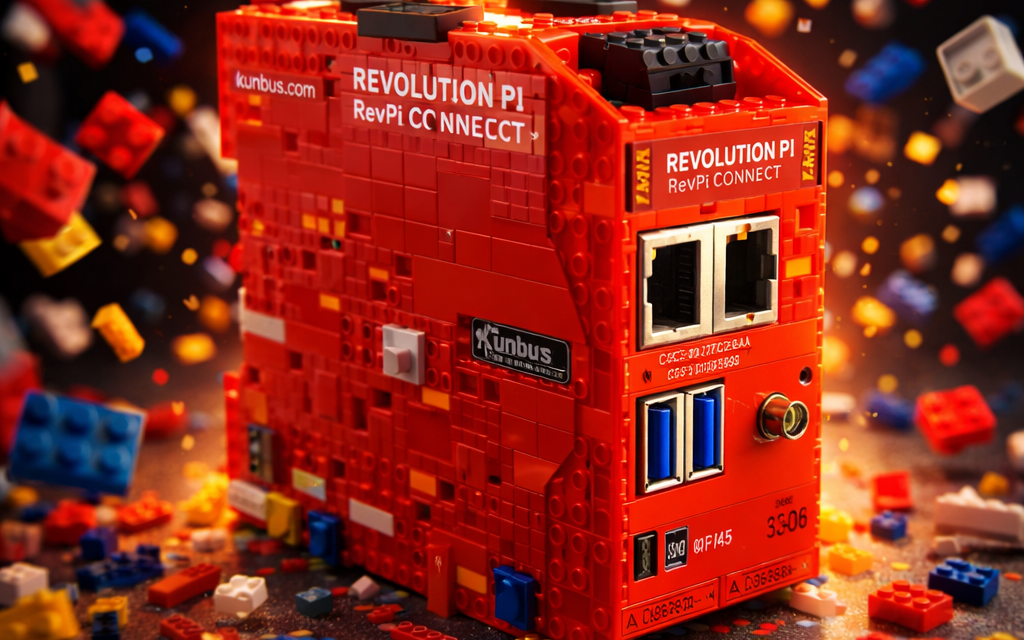
Revolution Pi (RevPi) brings industrial Raspberry Pi power to Edge/IIoT projects. Compare Core, Connect and Flat series, choose the right model, and start faster with Barnar.
Revolution Pi (RevPi): Industrial Raspberry Pi for Edge/IIoT
If you search for “industrial Raspberry Pi” or “Raspberry Pi PLC”, you usually need a platform that runs 24/7 in the field. In other words, DIN-rail/panel compatibility, maintainability and a flexible software stack matter. Additionally, the Core, Connect and Flat series help you pick the right fit faster.
Why Revolution Pi is Chosen as an “Industrial Raspberry Pi”
Revolution Pi Core vs Connect vs Flat: Quick Comparison
In short, the choice comes down to three questions: (1) interface needs, (2) panel/space constraints, and (3) device role (gateway, edge compute, control). Therefore, use the cards below as a simple first filter.
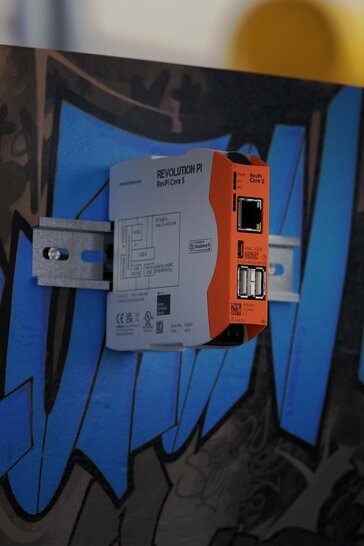
Revolution Pi Core: Essential / Compact
If your priority is a fast start, it’s a solid option. Additionally, it suits compact deployments.
Explore RevPi Core →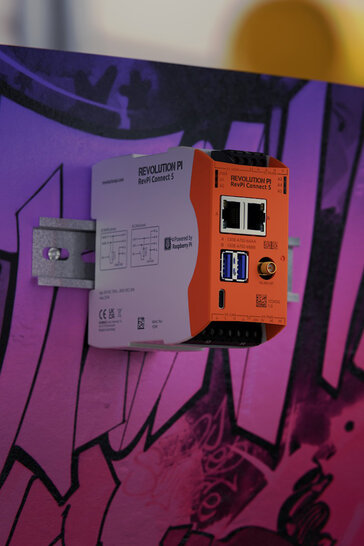
Revolution Pi Connect: Gateway / Edge
It often leads in OT–IT bridging. Furthermore, it’s preferred when more interfaces are needed.
Explore RevPi Connect →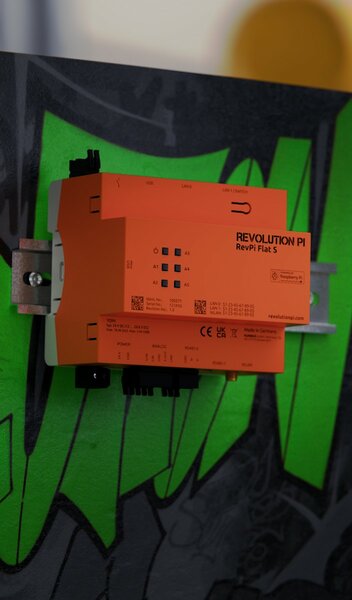
Revolution Pi Flat: Form factor advantage
If space is critical, it can be a strong candidate. Consequently, it’s ideal for tight panel layouts.
Explore RevPi Flat →All Revolution Pi solutions: Revolution Pi PLC Solutions (Barnar)
Revolution Pi: 3 Common Use Cases
Revolution Pi as an IIoT Gateway (OT → IT)
Collect and normalize machine data. Then move it to SCADA/MES/ERP securely and consistently.
See Connect →Revolution Pi for Edge Computing
Process data on-site. This way you reduce latency and control network traffic.
Revolution Pi for space-constrained panels
Form factor and mounting practicality are decisive. Therefore, Flat is often evaluated first.
See Flat →Revolution Pi in 5 Steps: Quick Start Guide
- Define the data: What signals do you need, and which interfaces are available?
- Place the device: Position RevPi at the OT–IT boundary and plan segmentation.
- Standardize tags: Align naming, sampling rate and alarm logic.
- Plan security: Add access control and remote maintenance rules.
- Pilot first: Start small, measure, and then scale with confidence.
Revolution Pi (RevPi) FAQ
What is Revolution Pi?
Revolution Pi (RevPi) is a platform family designed for industrial edge scenarios, combining panel-friendly form factors with an open software ecosystem.
Which series is best if I search “Raspberry Pi PLC”?
When gateway and interfaces matter, Connect is usually the first look. For compact starts, Core fits well. If panel space is tight, Flat can be the best match.
Where is the official manufacturer source?
For official information: revolutionpi.com
Revolution Pi Quote / Contact
Share your project in one paragraph (data, environment, integration goal). Then we’ll align the right Revolution Pi family and next steps.
Suggested image alt text: “Revolution Pi industrial Raspberry Pi Edge IIoT”